
Why the right kitchen faucet matters more than it first appears
A pull out quick installation faucet sounds like a simple purchasing decision, but for many kitchens it ends up affecting daily workflow, maintenance time, and even how a sink area is organized. Buyers usually start by comparing spray patterns or handle style, then discover the real issue is whether the faucet can be installed quickly without creating a weekend project. For sourcing managers and product teams, that matters because a faucet that is hard to fit, awkward to service, or incompatible with the sink deck creates avoidable labor costs and returns.
In practical terms, this article helps you decide what kind of faucet is worth buying, what trade-offs sit behind a fast-install design, and where a pull-out spray faucet makes sense compared with other kitchen options. The focus is not on showroom language. It is on the details that affect assembly, use, and long-term satisfaction.
What quick installation really means in faucet buying
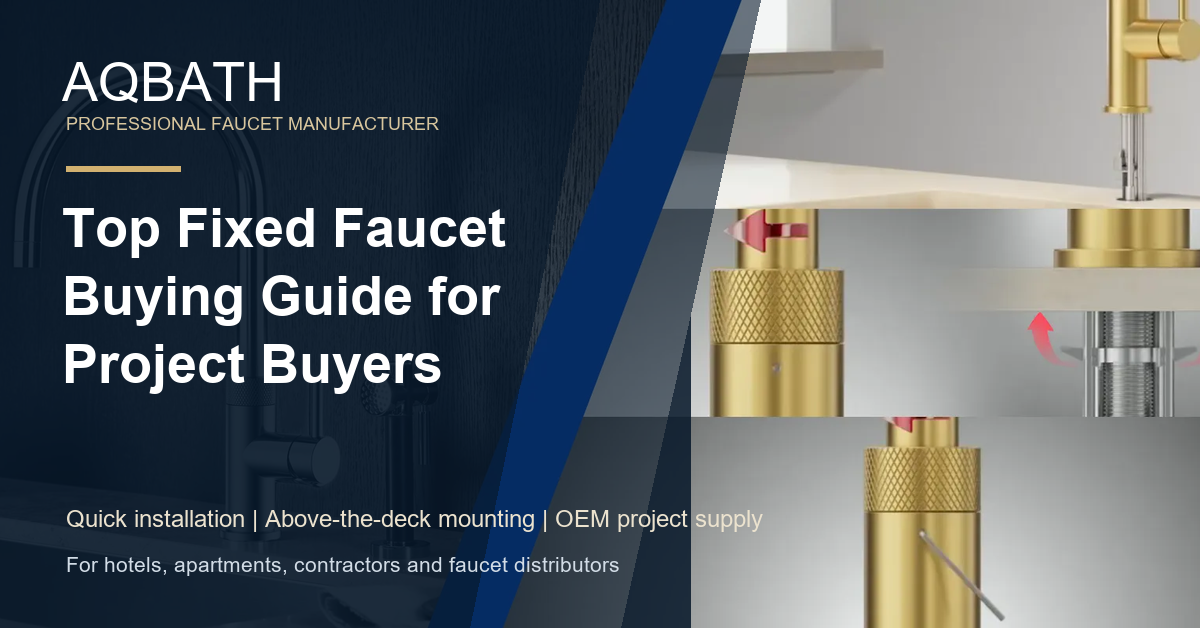
Quick installation does not mean zero work. It usually means the faucet is designed to reduce the number of steps, tools, and awkward movements required under the sink. That can include a preassembled hose and spray head, a simplified mounting system, or a deck plate layout that helps the faucet sit cleanly over existing sink holes. In a commercial buying context, it also means the installation process is predictable enough to reduce labor variation.
The phrase is sometimes used loosely, so buyers should read beyond the label. A faucet can be marketed as quick to install and still be frustrating if the supply lines are short, the mounting hardware is hard to reach, or the hose weights snag on plumbing. Good product planning means separating the marketing claim from the actual install sequence.
Key features that usually matter most
When comparing models, a few details deserve more attention than finish color or packaging design. These are the elements that tend to decide whether the faucet feels efficient or merely looks efficient.
1. Mounting style
A single-hole installation is generally simpler than a multi-hole setup, especially if the sink or countertop already matches the faucet format. Multi-hole installations can work well, but they often require a deck plate or extra fitting steps. If you are buying for a retrofit job, hole compatibility is usually the first filter.
2. Hose and spray head design
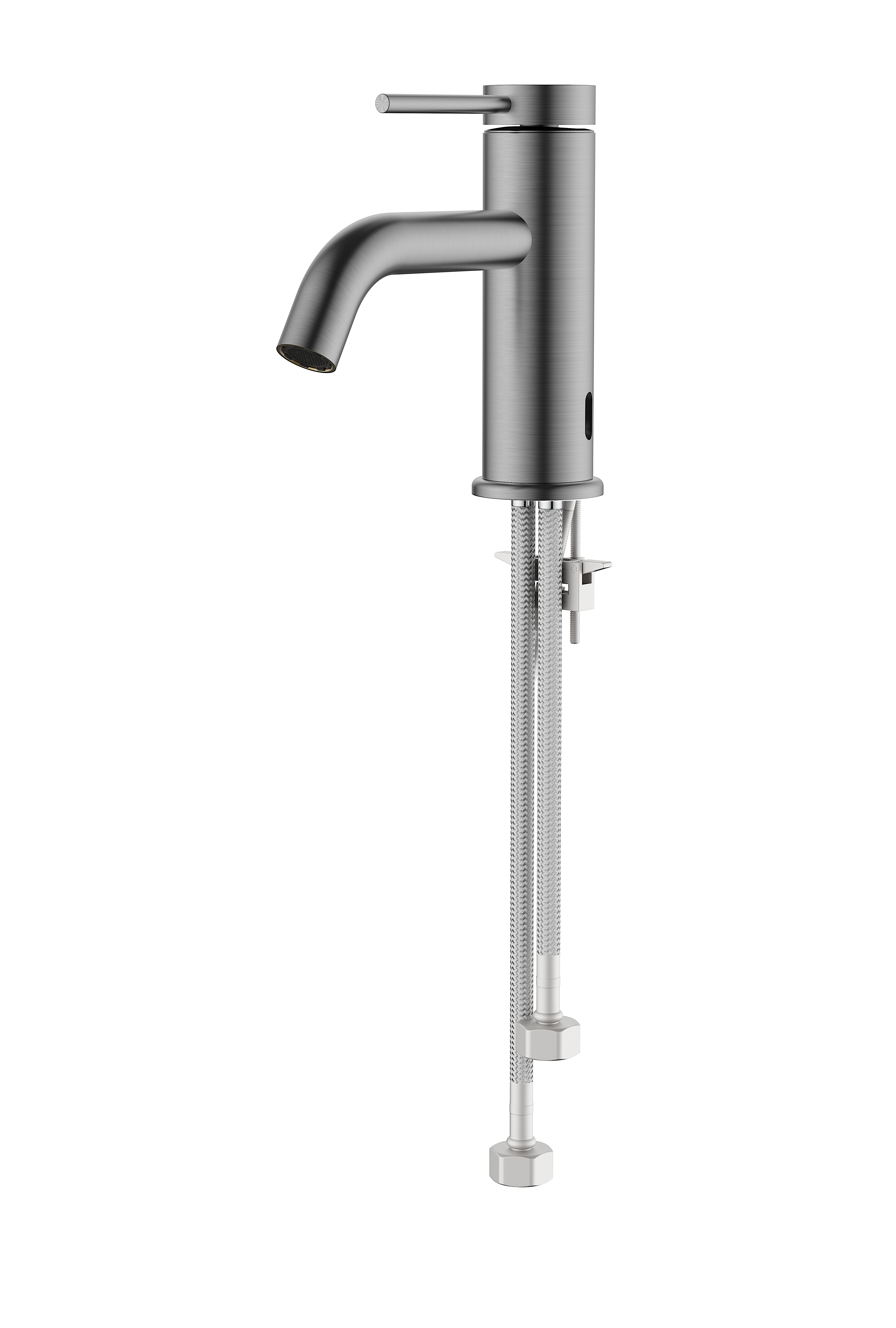
A pull-out spray faucet should move smoothly, return cleanly, and not twist itself into knots after repeated use. The hose path under the sink matters more than many buyers expect. A well-designed hose gives enough reach for rinsing and pot filling without feeling loose or under tension.
3. Valve and handle feel
The handle should give controlled water adjustment without a sharp jump from low flow to high flow. In busy kitchens, that slight controllability makes a difference. It is also a good indicator of how carefully the faucet cartridge and internal components were designed.
4. Finish and surface care
Finishes are not just a visual choice. Some surfaces hold fingerprints, water spots, or soap residue more readily than others. For residential kitchens this may be a cleaning concern; for shared or high-use settings it becomes a maintenance issue.
Quick reference: what buyers usually compare
Before choosing a model, it helps to compare the faucet in a way that reflects how it will actually be used.
Installation effort: direct fit versus retrofit complexity.
Sink compatibility: number of holes, deck space, and clearance below the sink.
User ergonomics: handle reach, spray control, and hose movement.
Maintenance: cartridge access, finish care, and hose replacement practicality.
Application fit: home kitchen, light commercial space, or a project that demands easier field installation.
That kind of comparison may sound basic, but it prevents a lot of bad decisions. A faucet that performs well on a brochure page can still be a poor choice if the underside of the sink is crowded or the installer has to improvise parts on site.
When a quick-install design is a real advantage
There are clear situations where a quick-install format earns its keep. Remodel jobs are a common example. If a kitchen is being updated without a full sink replacement, the installer often needs a faucet that can be fitted without reworking the deck. Rental property maintenance is another case, since reduced labor time has real value when the replacement has to be done quickly and cleanly.
In product development, the appeal is similar. A faucet that installs with fewer steps can reduce assembly training needs and lower the chance of field errors. That does not eliminate the need for quality control, of course. It just means the design supports repeatable installation instead of making the installer solve a puzzle.
Where buyers should be cautious
There is a catch with nearly any faucet advertised as easy to install: a simple design can hide compromises. Sometimes the faucet body is compact but the hose routing is less forgiving. Sometimes the package includes a helpful deck plate but the underside hardware still feels cramped. And sometimes the finish or handle design looks elegant while the actual ergonomics are only average.
This is especially important if the faucet will be used in a busy kitchen. A faucet that feels fine for occasional use may not hold up as well when the spray head is pulled out repeatedly across the day. In that setting, hose durability and cartridge consistency matter more than a polished sales image.
Selection criteria that save trouble later
If you are choosing a faucet for procurement or a project specification, the best questions are often the least glamorous ones.
Will it fit the sink configuration without extra drilling or patchwork?
Can the installer access the mounting hardware without specialized contortions?
Does the hose retract smoothly and avoid rubbing against plumbing or cabinet contents?
Are replacement parts and service access straightforward enough for future maintenance?
Is the finish appropriate for the cleaning routine the site actually uses?
For a pull-out style faucet, these questions matter because the convenience feature is built on moving parts. That means the product needs a little more scrutiny than a fixed-spout tap. Buyers who ignore that usually find the problem later, after the faucet has already been installed.
Common mistakes that lead to disappointing results
One common mistake is assuming all sinks accept the same mounting pattern. They do not. Another is overlooking the cabinet space under the sink, which can make hose weights, shutoff valves, or supply line routing more difficult than expected. A third mistake is focusing too heavily on the exterior finish while paying too little attention to the cartridge quality and hose movement.
There is also a subtle pricing mistake. Some buyers compare faucets only on unit cost, then discover the more expensive option actually reduces labor, returns, or service calls. That is not an argument for the highest-priced model. It is a reminder that the installed cost, not the carton price, is what eventually shows up in the project budget.
Practical advice for sourcing and installation teams
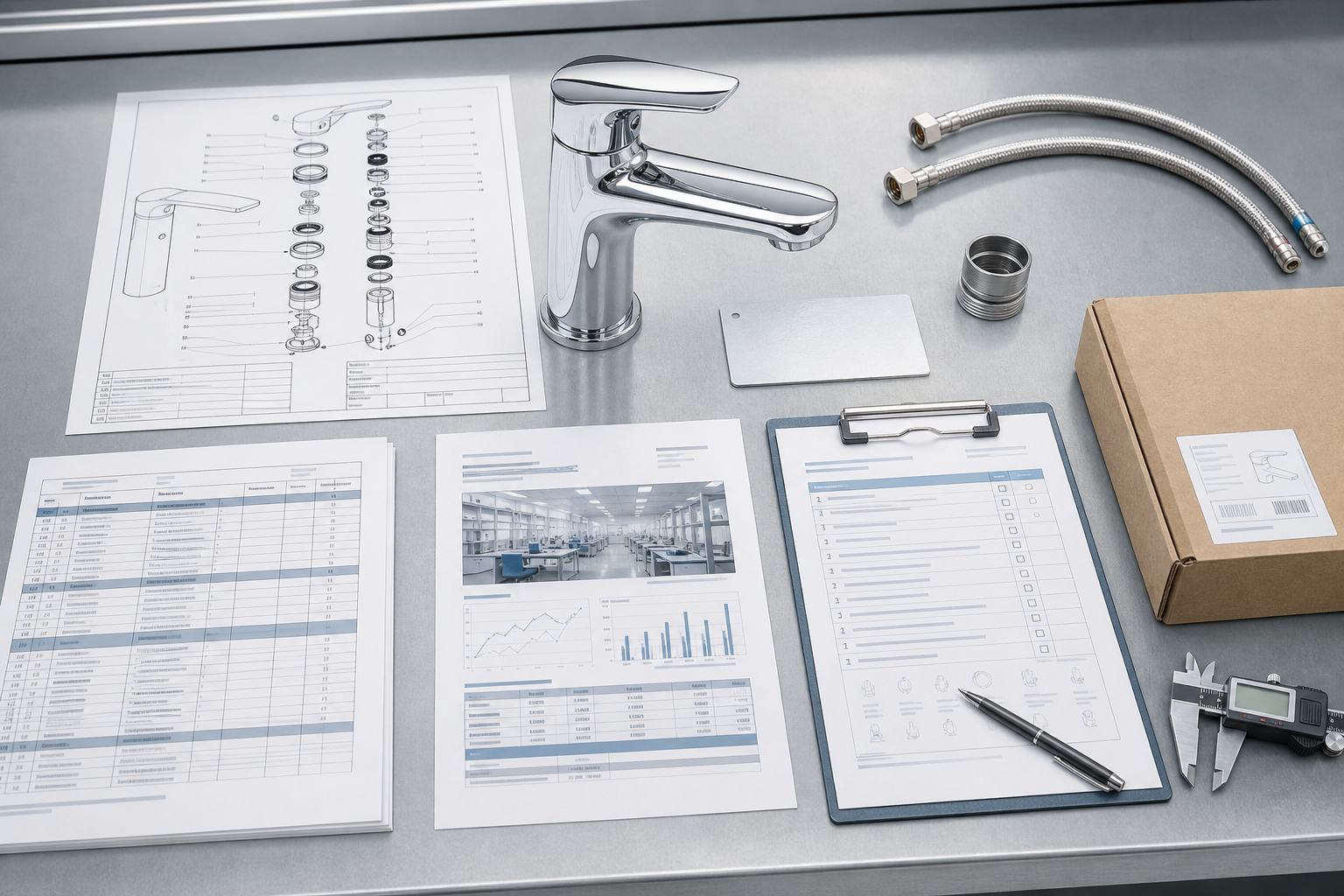
If you are specifying a quick-install faucet for a project or resale channel, ask for clear dimensional data, mounting requirements, and hose routing guidance before purchase. If possible, review installation drawings instead of relying only on product photos. Photos can make a faucet look elegant while hiding the underside geometry that determines whether the install is easy or irritating.
For installers, a dry fit is worth the time. Even a faucet described as easy to install can be awkward if the cabinet layout is tight. A small amount of preparation can prevent stripped hardware, kinked lines, and unnecessary callbacks. That is especially true for a pull-out spray faucet, where the hose path needs enough freedom to move without snagging.
FAQ
Is a pull-out faucet better than a pull-down faucet?
Neither is universally better. A pull-out design can be useful where reach and sink clearance matter, while a pull-down design may feel more natural in certain kitchen layouts. The better choice depends on the sink depth, user habits, and installation constraints.
Does quick installation mean the faucet is lower quality?
Not necessarily. A well-designed pull out quick installation faucet can be durable and practical. The important point is that the installation-friendly features should not come at the expense of hose quality, cartridge performance, or long-term serviceability.
What should buyers check before ordering in volume?
Check sink-hole compatibility, mounting method, hose length, finish durability expectations, and whether the design suits the target market’s maintenance habits. For volume orders, small installation issues become large cost issues very quickly.
Final buyer takeaway
The best faucet choice is rarely the one with the longest feature list. It is the one that installs cleanly, works naturally at the sink, and does not create headaches six months later. If you are evaluating a pull-out quick installation faucet for a remodel, a housing project, or a product lineup, focus on fit, hose behavior, and service access before you focus on appearance. That is usually where the real value sits.
If you are shortlisting models, start with the sink configuration and installation path, then compare spray performance and finish only after the basics line up. It is a plain approach, but in faucet buying, plain usually saves money.