
Why buyers care about bathroom faucet sourcing more than it first appears
A bathroom faucet manufacturer is not just a supplier of a visible fixture. For engineers, sourcing managers, and product teams, the faucet sits at the point where plumbing performance, finish quality, installation logic, and end-user expectations all meet. If the part is underbuilt, the issue shows up quickly: wobble at the deck, inconsistent handle feel, poor finish wear, or complaints about spray behavior and cleaning. If the part is over-specified, the buyer may end up paying for features that do not matter in the actual project.
That is why buyers often compare a bathroom faucet manufacturer against broader options such as a faucet manufacturer China, a brass faucet manufacturer, or even a kitchen faucet manufacturer when they are evaluating capability. The real decision is not just who can make a faucet. It is who can make the right faucet for the application, with the right balance of appearance, corrosion resistance, serviceability, and assembly discipline.
What the visible product details suggest about manufacturing priorities
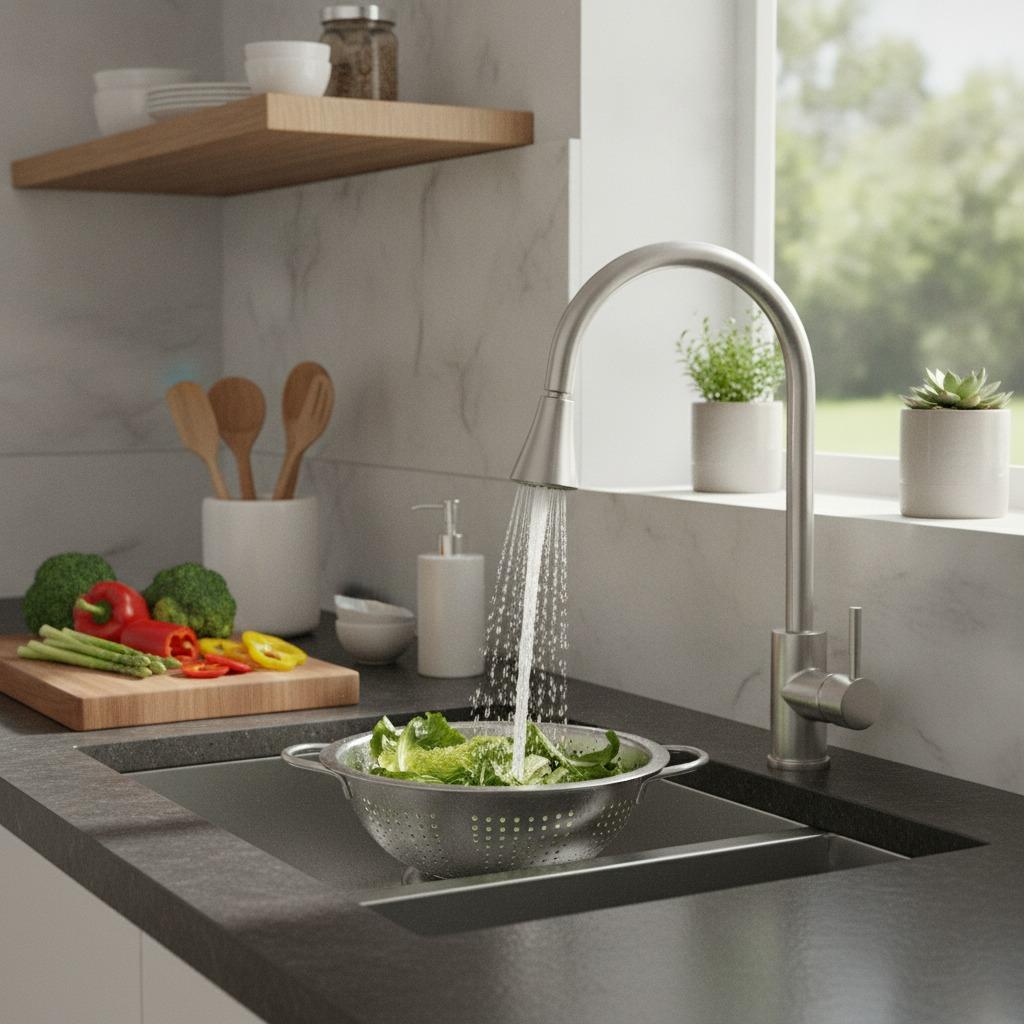
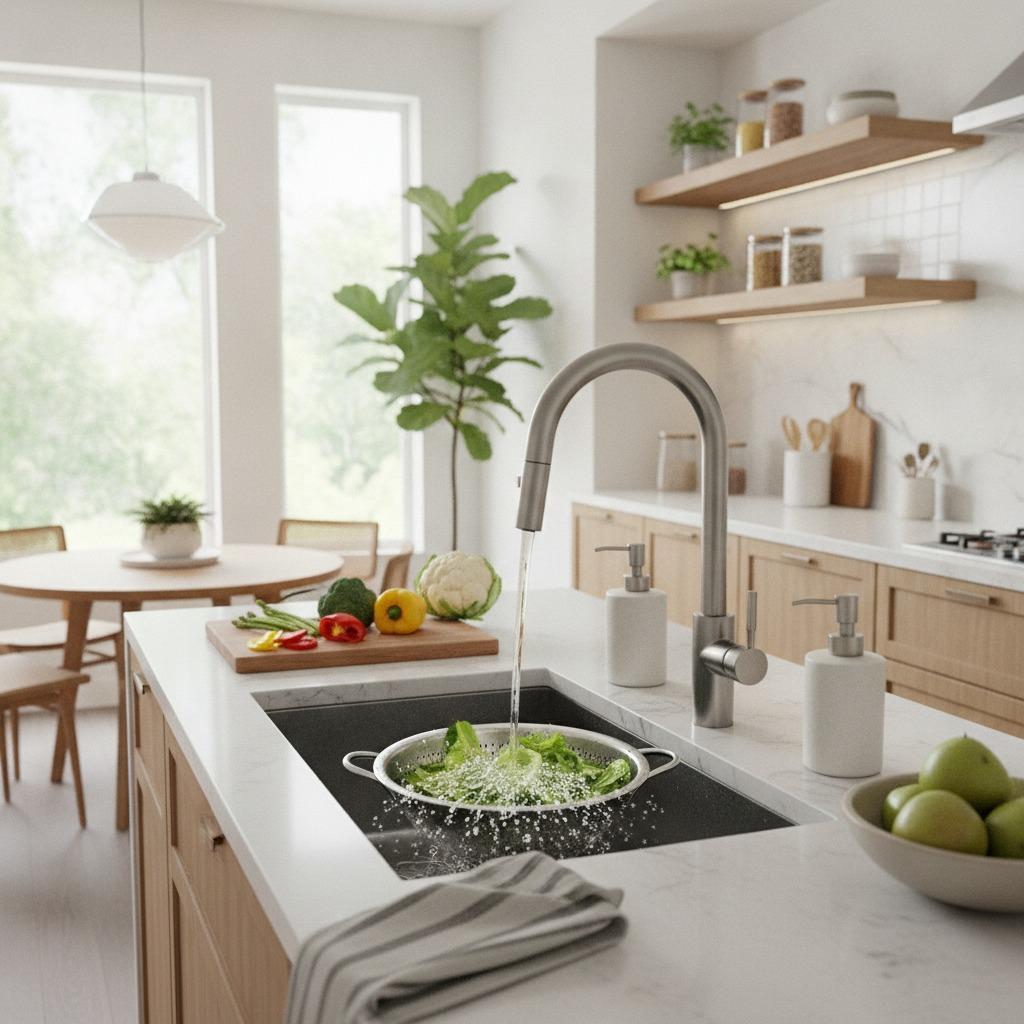
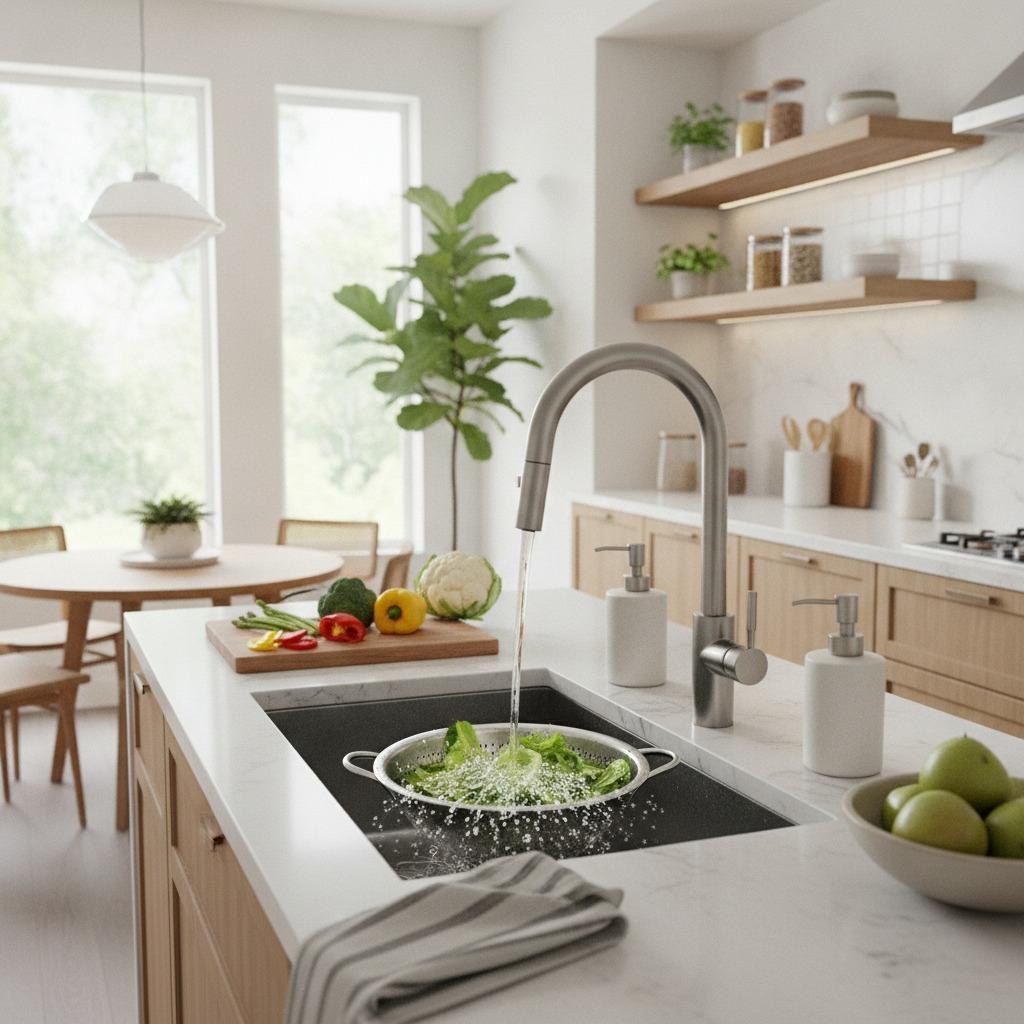
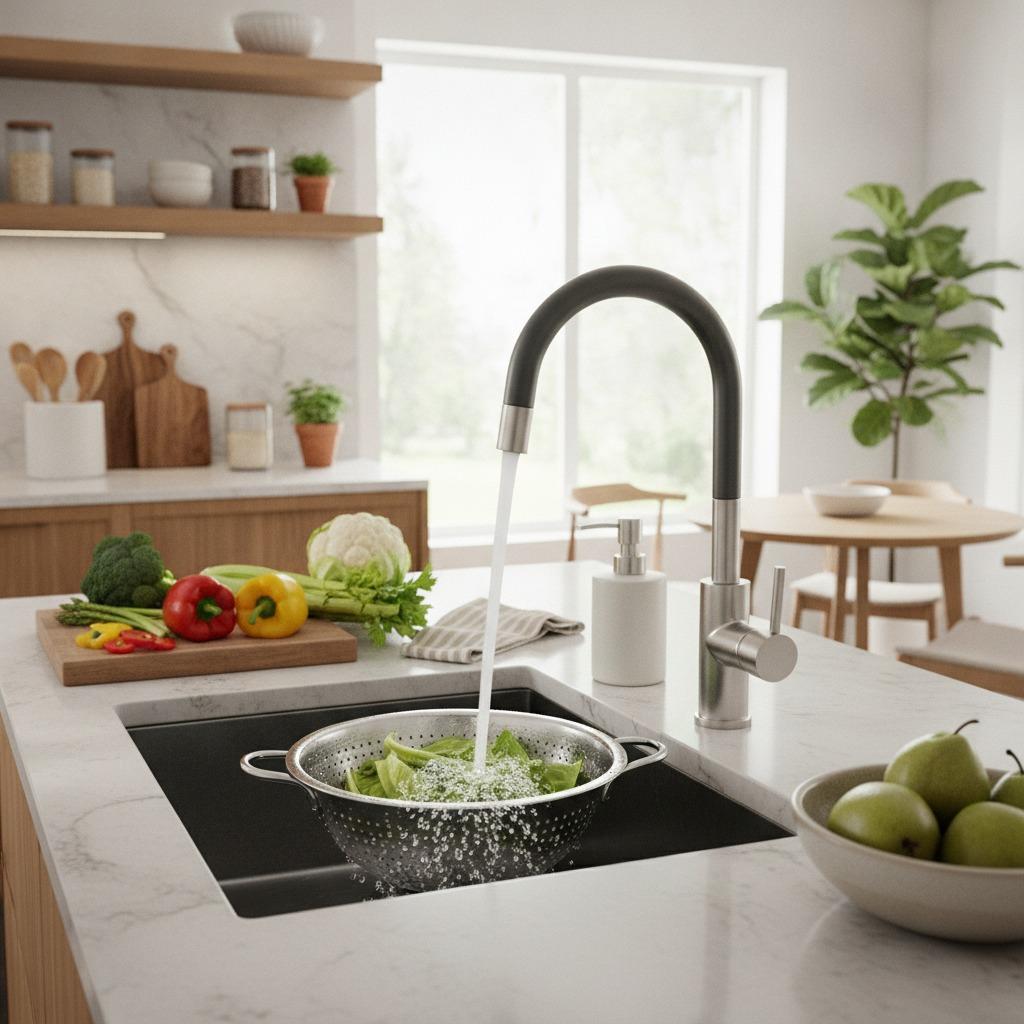
The supplied product information points to two common faucet styles in the residential and light commercial market: a kitchen sink faucet with a pull-down spray head and a brushed stainless steel or stainless-look finish, and a dark matte faucet with a tall arched spout and single-lever control. Those features matter because they reveal where the manufacturer has to be careful.
A tall gooseneck spout creates clearance, which is useful for washing dishes, rinsing produce, or filling containers. A pull-down spray head adds reach into the basin, which is practical in both kitchen prep and sink cleaning. Single-handle operation reduces user friction, especially in busy households or apartment fit-outs where one-handed control is simply easier. None of these details is exotic, but each one changes tooling, assembly, and the tolerances the factory has to hold in a practical sense.
For a brass faucet manufacturer, the underlying body may be cast or machined brass with a plated or coated finish. That is a common path for plumbing fixtures, though the exact material grade, internal cartridge type, and finish stack are not visible from the provided data. A buyer should treat those as request-for-quote items, not assumptions.
Bathroom faucet manufacturer versus kitchen faucet manufacturer: why the distinction matters
The term bathroom faucet manufacturer usually implies a supplier focused on basin faucets, lavatory mixers, and related bathroom plumbing fixtures. A kitchen faucet manufacturer, by contrast, is often optimized for taller spouts, spray heads, higher reach, and more frequent directional movement. Some factories handle both. Some do not.
That distinction matters because the design stresses are not identical. Bathroom faucets may prioritize compact form, clean lines, and easy wipe-down surfaces. Kitchen faucets often need more motion range, stronger hose management, and a sturdier feel at the lever and neck. If a buyer sources a bathroom fixture from a plant that mainly builds kitchen models, the result can be visually acceptable but awkward in use. The reverse can also happen: a sleek bathroom design may look elegant but fail to give enough clearance or durability if the spec is misapplied.
What to evaluate before you choose a supplier
Finish and surface behavior
Matte dark finishes and brushed metallic finishes are attractive for contemporary interiors, but they are also where poor process control shows up quickly. Buyers should ask how the finish is produced, how it is tested, and what cleaning guidance is realistic. No one wants a beautiful faucet that looks tired after a few months of routine wiping.
Handle feel and daily use
The single-lever format is common because it is simple, but feel matters. The handle should move smoothly without looseness. In procurement terms, that is not a minor detail; it is the difference between a fixture that feels premium and one that feels assembled from generic parts.
Spray head and hose behavior
Both supplied product descriptions mention pull-down or pull-out spray-style heads. That means buyers should ask about hose retraction, docking behavior, and how the head sits when parked. If the head droops or does not return cleanly, end users notice immediately.
Common mistakes in faucet sourcing
One common mistake is buying against appearance only. The faucet may look right on a rendering, but if the spout reach is wrong or the arc interferes with backsplash clearance, the install team pays for it later.
Another mistake is assuming all metal finishes behave the same. Stainless-look, brushed, plated, and coated surfaces can age differently. A buyer who does not ask about finish care may get a product that looks consistent at delivery but less consistent after field use.
There is also a habit of treating OEM faucet manufacturer claims as interchangeable. They are not. OEM capability can mean many things: private label packaging, custom handle geometry, modified spray heads, or full spec development. The right question is not whether OEM is offered, but what level of customization is actually supported.
Practical buyer advice for sourcing teams
If you are comparing suppliers, ask for photographs, drawings, installation details, and finish descriptions that match the actual product family you plan to buy. The image may show a pull-down kitchen faucet, but the procurement logic should still cover the full range: body style, deck-mount configuration, spout clearance, and cleaning requirements.
For product teams, think about where the faucet will live. Modern apartment kitchens, renovated bathrooms, and contemporary cabinetry all place different demands on the same basic hardware. For sourcing managers, consider how much variation you can tolerate across finish, handle shape, and spray function. For engineers, confirm what is known and what is not. If the supplier cannot state material grade, cartridge type, or finish system clearly, that uncertainty should be handled before release, not after shipment.
FAQ buyers usually ask
Can one factory make both bathroom and kitchen faucets?
Yes, many can. But capability should be verified by product line, not by claim alone.
Should I prioritize brass or stainless-look construction?
It depends on the design intent, cost target, and finish requirements. Brass is common in plumbing fixtures, while stainless-look surfaces may suit a different visual direction. Ask how each is built and finished.
What is the safest next step in supplier screening?
Request a specification package tied to the exact model family you want, then confirm installation method, finish, spray function, and quality-control checkpoints. That is usually where the real differences appear.
Next step
If you are shortlisting a bathroom faucet manufacturer for a new project, start with the product details that affect daily use, not just the catalog image. A supplier that can explain the construction, finish, and installation logic clearly is usually a better partner than one that only sends polished photos. And if the project also includes kitchen fixtures, compare the bathroom and kitchen lines side by side before you lock the spec.