
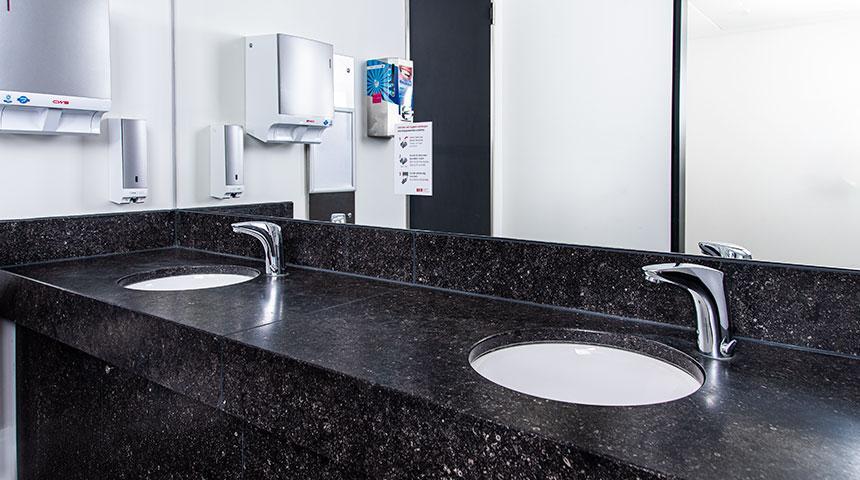
Public Washroom Faucet: Why Many Fail Under Constant Use
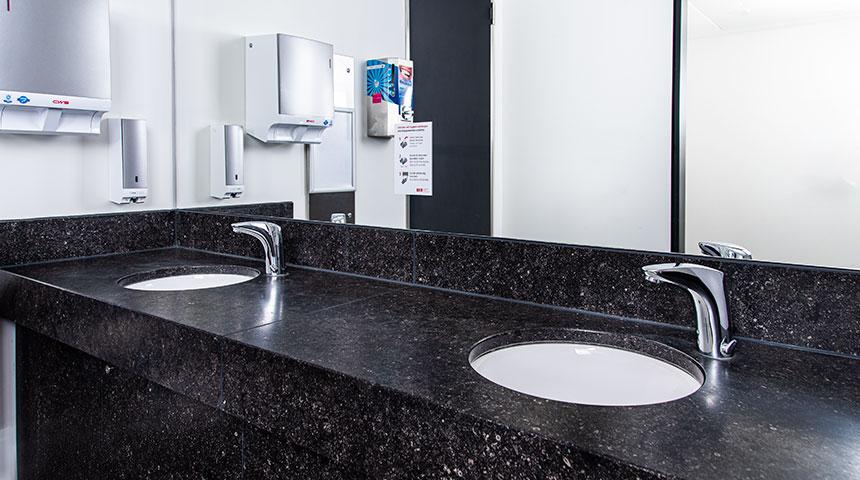
A public washroom faucet operates under some of the most demanding conditions in any building.
Unlike residential environments, public spaces such as airports, shopping malls, office buildings, and schools expose faucets to continuous use throughout the day. In many cases, a single faucet can be used more than 100 times daily.
Under this level of stress, even small design limitations quickly turn into real problems. Loose bases, leaking seals, and inconsistent water control are not rare issues—they are predictable outcomes when the wrong faucet type is used in high-traffic environments.
The Core Pain Point: High Traffic Accelerates Wear and Failure
Public washrooms combine three factors that increase failure risk:
- High usage frequency (80–120 cycles per day)
- Unpredictable user behavior (forceful or incorrect operation)
- Continuous cleaning and exposure to moisture
These conditions accelerate:
- Structural loosening
- Seal fatigue
- Internal component wear
Compared to household bathrooms, a public washroom faucet experiences up to 4–6 times more mechanical stress, which directly impacts performance and lifespan.
The Engineering Logic Behind Reliable Public Washroom Faucets
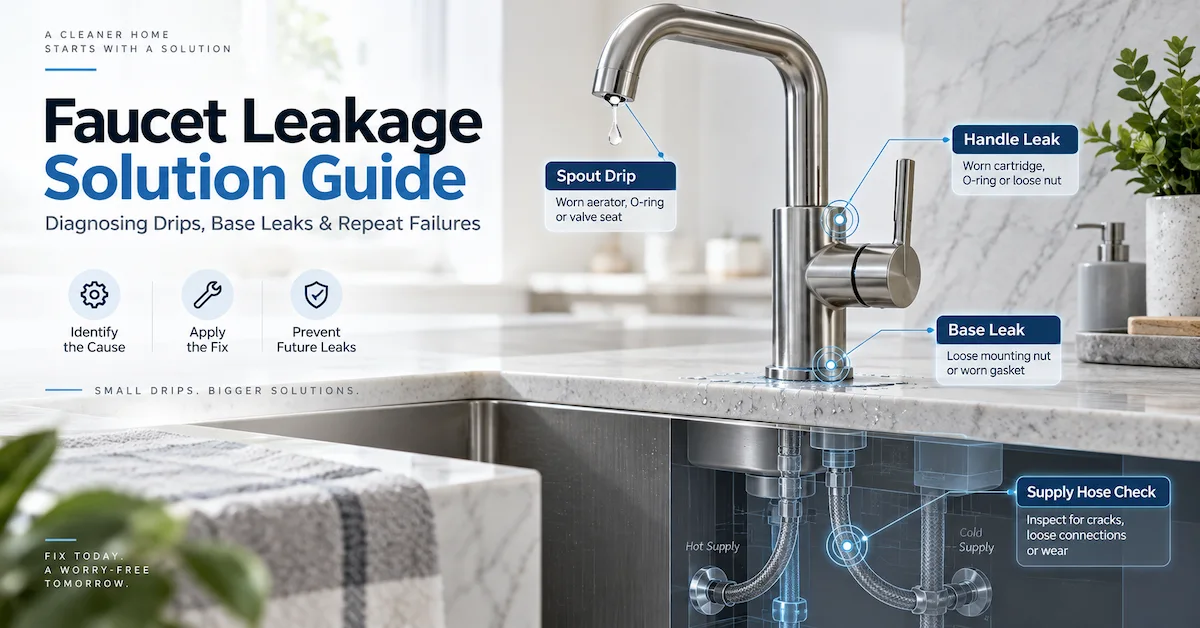
A durable public washroom faucet must be designed for stability, not just appearance.
Fixed installation structure
A fixed installation faucet minimizes movement at the base, reducing stress transfer to internal components. This can decrease loosening issues by approximately 30%.
Reinforced internal components
Cartridges designed for high-cycle use maintain smoother operation and extend lifespan by 20–25%.
Advanced sealing systems
Improved sealing design ensures consistent pressure distribution, reducing leakage risk by 20–30%.
Brass construction
A brass washroom faucet offers higher structural strength and better resistance to long-term wear, especially under fluctuating pressure conditions.
Performance Comparison: Standard vs Public Washroom Faucet
| Performance Factor | Standard Faucet | Public Washroom Faucet | Improvement |
|---|---|---|---|
| Daily usage capacity | 10–30 cycles | 80–120+ cycles | 3–4× higher durability |
| Structural stability | Medium | High | ~30% fewer loosening issues |
| Leak resistance | Basic | Reinforced | 20–30% fewer leaks |
| Maintenance frequency | Medium | Lower | 25–35% fewer service calls |
| Service lifespan | Shorter | Longer | +20–25% improvement |
These figures reflect typical expectations in public facility management, where durability and reliability are critical.
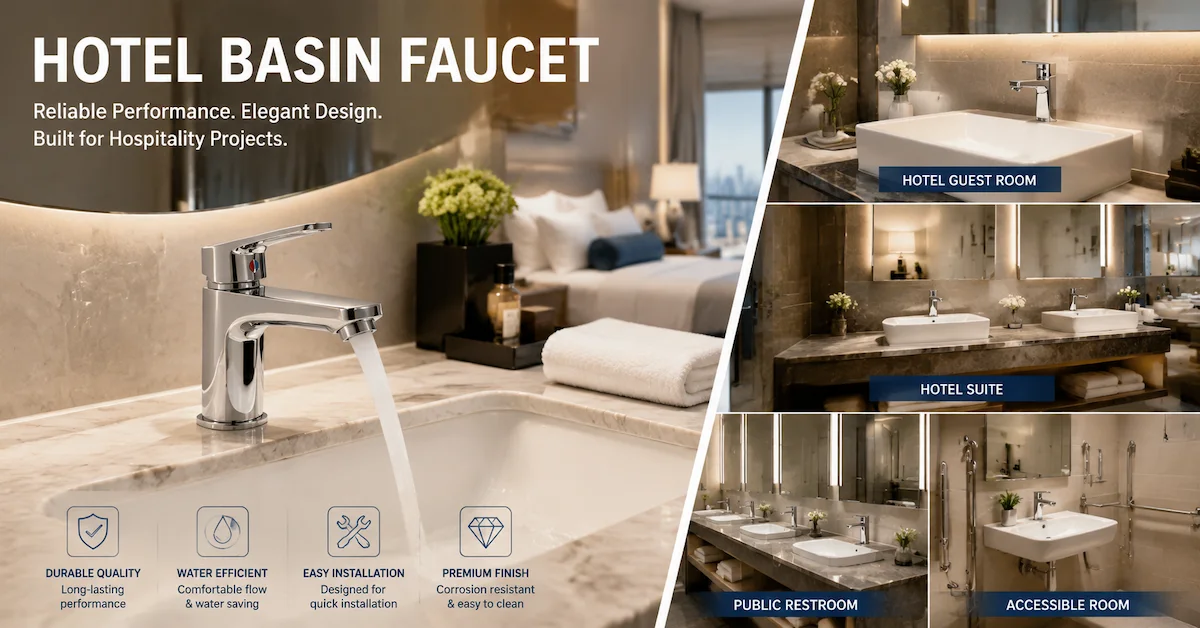
Typical Public Washroom Applications
Airports and transportation hubs
Continuous usage with minimal downtime tolerance. Faucets must maintain stable performance under extreme demand.
Shopping malls and retail centers
High traffic combined with varied user behavior requires strong structural stability and resistance to misuse.
Office buildings
Consistent daily use with expectations for low maintenance and uninterrupted operation.
Schools and universities
Frequent use by large groups requires durable and reliable faucet performance.
Hospitals and public institutions
Hygiene and reliability are critical, requiring stable water control and leak-free operation.
In all these scenarios, selecting the right public washroom faucet can reduce maintenance interventions by up to 25–35%.
Product Advantages That Deliver Real Value
High structural stability
Reduces movement and prevents long-term loosening.
Improved leak prevention
Stable sealing design minimizes water loss and maintenance issues.
Reduced maintenance frequency
Fewer failures mean lower operational costs.
Consistent performance
Ensures smooth and reliable operation across all installations.
Better batch consistency
Critical for large-scale public projects where uniform performance is required.
How to Choose the Right Public Washroom Faucet
Match product to traffic level
High-traffic environments require reinforced structural design.
Choose the right installation method
A fixed installation faucet is often more suitable for public washrooms.
Evaluate long-term cost
Lower upfront cost may lead to higher maintenance expenses.
Ensure product consistency
Large projects require reliable performance across all units.
Common Questions About Public Washroom Faucets
Q1. What makes a faucet suitable for public washrooms?
A: High durability, stable structure, reliable sealing, and compatibility with high-frequency use.
Q2. Are brass faucets better for public facilities?
A: Yes, a brass washroom faucet typically provides better strength and long-term performance.
Q3. How much maintenance reduction can be expected?
A: Properly selected faucets can reduce maintenance frequency by approximately 25–35%.
Public Washroom Faucet Solutions That Improve Facility Efficiency
A public washroom faucet is a critical component in maintaining operational efficiency in high-traffic environments.
Choosing the right design reduces maintenance, improves user experience, and extends product lifespan.
At AQBATH, we develop faucet solutions tailored for public and commercial applications, focusing on structural stability, leak prevention, and consistent batch production.
👉 Homepage: https://www.aqbath.com/
If you are planning a public facility project or sourcing high-durability faucet solutions, early evaluation of usage conditions and installation requirements can help avoid long-term issues.
👉 Contact Us: https://www.aqbath.com/contact-us