
Why do buyers look for bathroom faucet manufacturers that offer wall-mounted faucet options?
Bathroom faucet manufacturers offer more than just a visible accessory; they help define how the washbasin area is used daily. This is sometimes more important than people realize. In renovations, hotel renovations, or residential projects with limited countertop space, the choice of faucet impacts cleaning, splash prevention, installation planning, and even the final look of the room. Wall-mounted faucets can solve several of these problems at once, which is why they continue to be popular in modern washrooms.
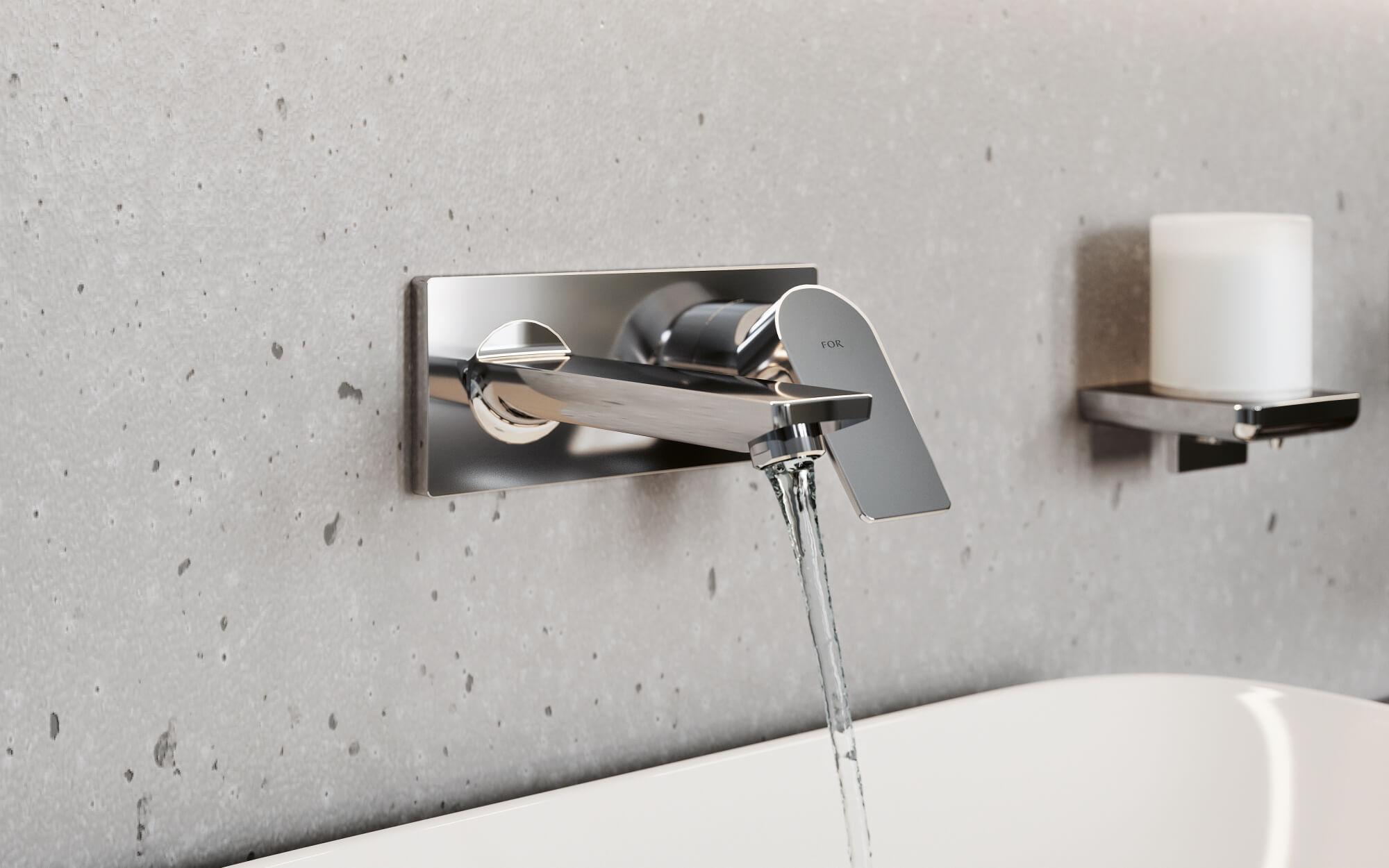
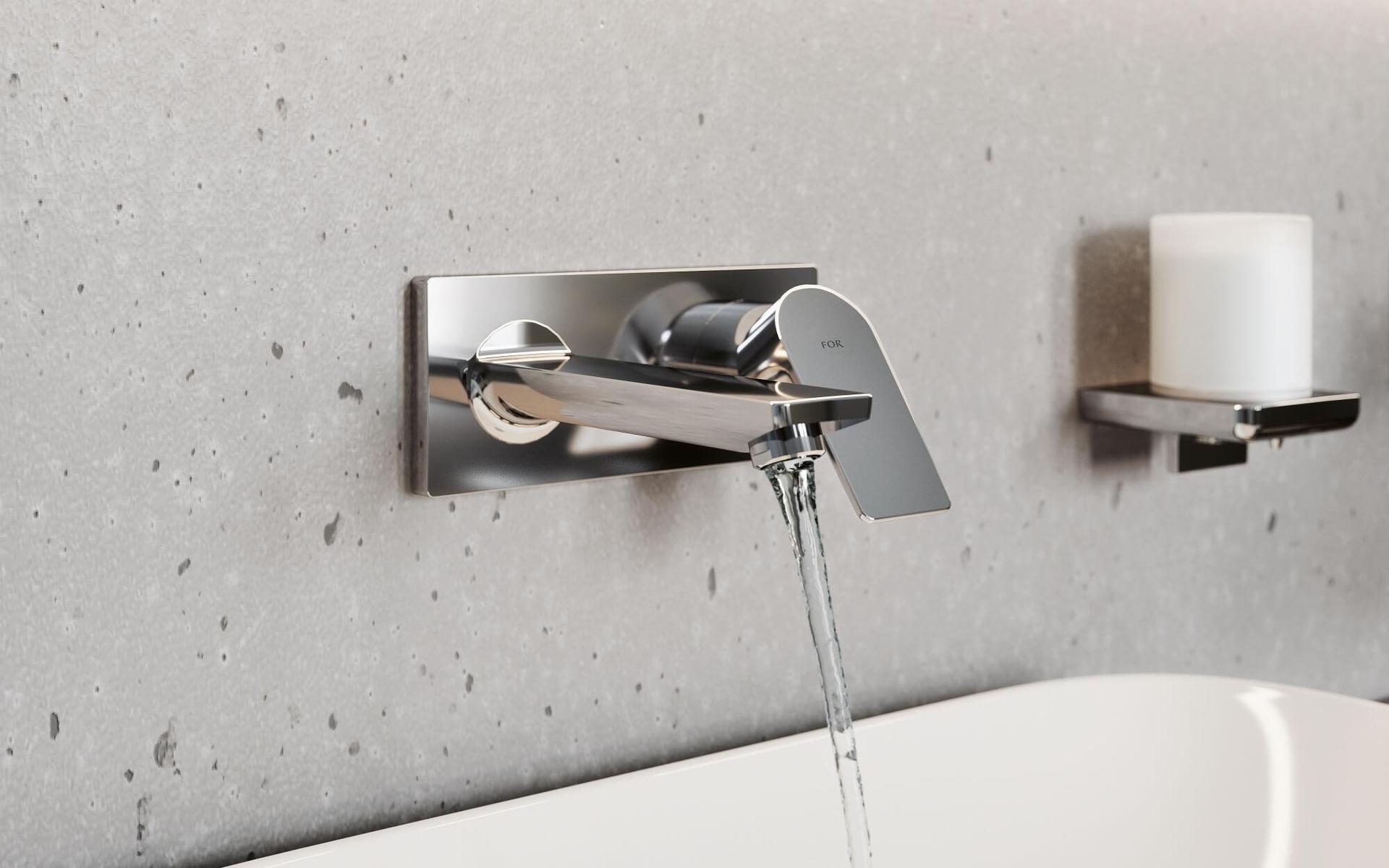
The image showcases a minimalist wall-mounted bathroom faucet/spout assembly with a polished chrome finish, a rectangular base, and a single lever control. This faucet is suitable for use with washbasins or countertop basins, creating a clean countertop and a light visual effect. For buyers, the real issue isn't whether it looks modern, but whether the supplier can produce a faucet that is easy to install, durable, and perfectly fits the expected plumbing layout.
What is the intended purpose of this faucet?
Wall-mounted basin faucets move functional components from the countertop to the wall. This sounds simple, but it completely changes the installation logic. The basin area is neater, cleaning the vanity is easier, and the sink rim is cleaner and tidier. In smaller bathrooms, this extra visual space is often just as valuable as the actual space.
From an aesthetic standpoint, this product features a clean and streamlined design: a sharply angled back panel, a slim, protruding spout, and an integrated handle. This design language is common in modern bathroom collections, as it complements square washbasins, stone countertops, and other minimalist interior design elements. The readily available matching small shelves or accessories further emphasize the cohesive style of the bathroom collection, which is especially important in projects where maintaining a consistent aesthetic across multiple touchpoints is crucial.
Key points buyers should compare before selecting a supplier.
When purchasing faucets from China or other suppliers, compare the details that affect installation and long-term use, not just the catalog photos.
1. Wall structure and concealed structures
Wall-mounted faucets typically rely on plumbing components concealed behind the wall. This means the finished product is only part of the overall system. Buyers should confirm which components are included, which are concealed within the wall, and which require separate delivery by the installer. If the project team overlooks this step, the wall finish may be affected during installation.
2. Materials and Surface Treatment
The faucet body may appear to be polished chrome-plated or made of chrome metal, which is common in bathroom accessories because of its bright, clean appearance and ease of matching with other hardware. However, buyers should still inquire about the base metal and surface treatment. Brass faucet manufacturers may be able to provide bodies that meet specific durability requirements, but the actual condition of the internal structure still needs to be verified; assumptions should not be made.
3. Valve and control feel
This lever-operated design facilitates one-handed operation and is highly practical for everyday use. It's not just the appearance that's important, but also the feel of the handle. Buyers often overlook the feel of the handle before the project even begins. Stiff or unstable controls quickly become inconvenient, especially in places like hotels or public restrooms.
4. Compatibility of the spout extension length with the washbasin.
Wall outlets must be flush with the sink or washbasin below. If the outlet is too short, water will awkwardly splash near the back edge of the sink; if the outlet is too long, the water spray will be difficult to control. Kitchen faucet manufacturers and bathroom suppliers may disagree on this, as washbasin geometry and usage habits vary. Products should match the actual size of the washbasin, not just the style of the room.
Where is the best place to install a wall-mounted faucet?
These faucets are particularly suitable for bathroom renovations, modern vanity installations, and commercial restroom projects that prioritize hygiene and ease of cleaning. They are also suitable for rooms with limited space, as countertop faucets can take up sink space or limit available countertop area.
One often overlooked practical advantage is that wall-mounted designs reduce seams around the countertop, making maintenance of the sink area easier. However, poorly designed concealed plumbing can increase the difficulty of repairs. Therefore, while a simple aesthetic design is desirable, the underlying engineering design must also be meticulous.
Common mistakes when purchasing such products
A common misconception is focusing solely on appearance. While rectangular wall panels and reflective finishes may look high-end, the hidden installation details are far more important.
Another misconception is conflating bathroom faucet manufacturers with any ordinary metal supplier. Bathroom fixtures come into contact with water, cleaning agents, and are subject to repeated daily use. Suppliers should understand plumbing hardware, not just metal forming.
The third mistake is neglecting the coordination of accessories. If the faucet series includes shelves, cup holders, or matching decorative pieces, check that the surface finishes of these parts are consistent. Subtle differences are easily overlooked in showrooms, but can be very frustrating once the finished product is installed.
What should a good procurement negotiation cover?
Inquire about specific product categories, concealed installation requirements, visible surface finish options, and whether the wall panel and handle assembly belong to a particular series. If the supplier claims OEM faucet manufacturing capabilities, ask which parts can be customized: shape, surface finish, handle design, logo, packaging, or accessory matching. Focus on practicality during discussions. The best supplier answers will be clear, specific, and slightly cautious about details depending on the final plumbing system.
Quick check before buyer places order
Before finalizing your choice of wall-mounted faucet, please ensure you confirm the following four points: sink layout, internal wall structure, finish matching, and access for maintenance after installation. These basic elements may seem obvious, but they are the areas where mistakes are most likely to occur in the project.
If you are comparing a bathroom faucet manufacturer with other options, do not only use samples to judge the style, but also test the overall fit: appearance, feel of the controls, concealed body requirements, and how the unit performs in an actual room.
Frequently Asked Questions
Are wall-mounted faucets more difficult to install?
Typically, this is in contrast to simple countertop faucets, as it relies on concealed plumbing and precise wall preparation.
Is this type of faucet suitable for residential and commercial projects?
Yes. This design is used in both cases, especially when a modern look and easy countertop cleaning are important.
Should I choose the chrome finish?
Chrome plating is widely used due to its visual versatility, but the right finish depends on the rest of the bathroom design and maintenance expectations.
What questions should I ask the supplier first?
First, the requirements for concealed installation, material structure, and components included in the assembly must be considered.
The next step is the procurement team.
If you are evaluating bathroom faucet manufacturers for a wall-mounted washbasin project, be sure to request a complete product breakdown before comparing prices alone. While good samples can tell you something, the concealed body, wall requirements, and installation logic are key. This is where a truly competent supplier demonstrates their understanding of the project itself, not just surface finishes.